

Feeding strategies to reduce liver abscesses
Liver abscess rates in smaller pen research studies are often much higher than we see in commercial operations. While it’s not entirely clear why this occurs, it does provide an opportunity to accurately assess the effectiveness of different mitigation strategies at a lower cost than a very large commercial scale trial.
Completed: 2023
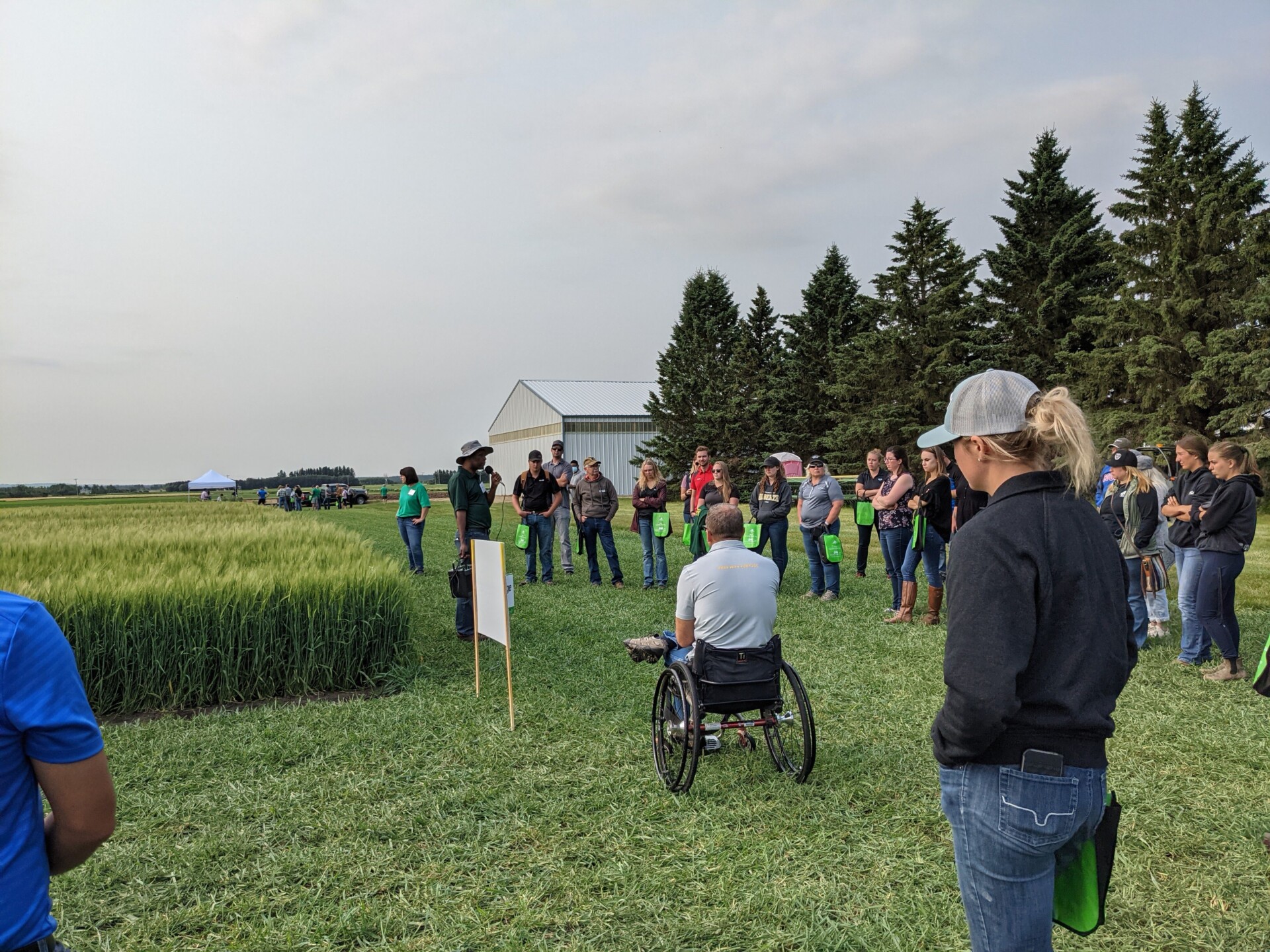
Benefits of including forages in cropping rotations
Integrating forages into crop rotations can have many benefits such as weed and disease control, increasing productivity, and improvements in soil quality; but the short-term loss of land used to produce more valuable crops can make this management practice seem uneconomical.
Started: 2022 | Completed: 2025
New diagnostics to inform antimicrobial treatment decisions
Bovine respiratory disease (BRD) remains the most common and economically important disease affecting feedlot cattle. About 15% of cattle in North America are treated for BRD, and it accounts for about 70% of the illnesses and 40% of deaths. Economic losses to the North American beef industry exceed $1 billion dollars annually.
Started: 2017 | Completed: 2019
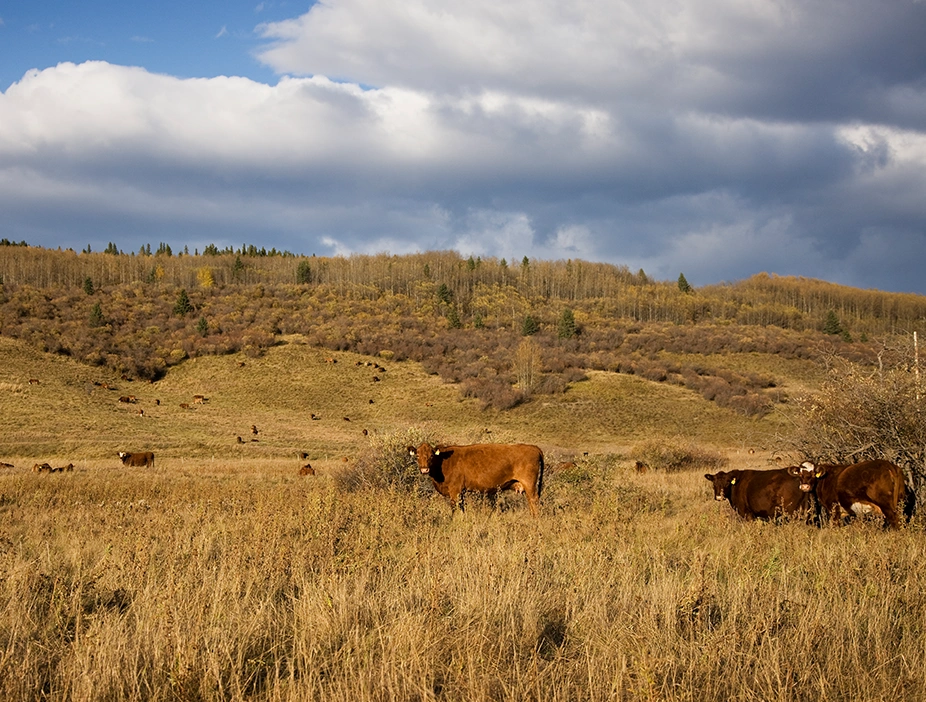
Improving grazing capacity with bloat-free legumes
Including legumes in a pasture improves biodiversity, forage quality, forage yield, and soil nutrient status without having to apply extra nitrogen fertilizer. While alfalfa has long been the legume species of choice, concerns about bloat have often limited its inclusion into forage stands.
Started: 2015 | Completed: 2019
Showing 13-24 of 79